Neurologic Music Therapy®(NMT®)
Music for every step of your journey.
What is Neurologic Music Therapy® (NMT™)?
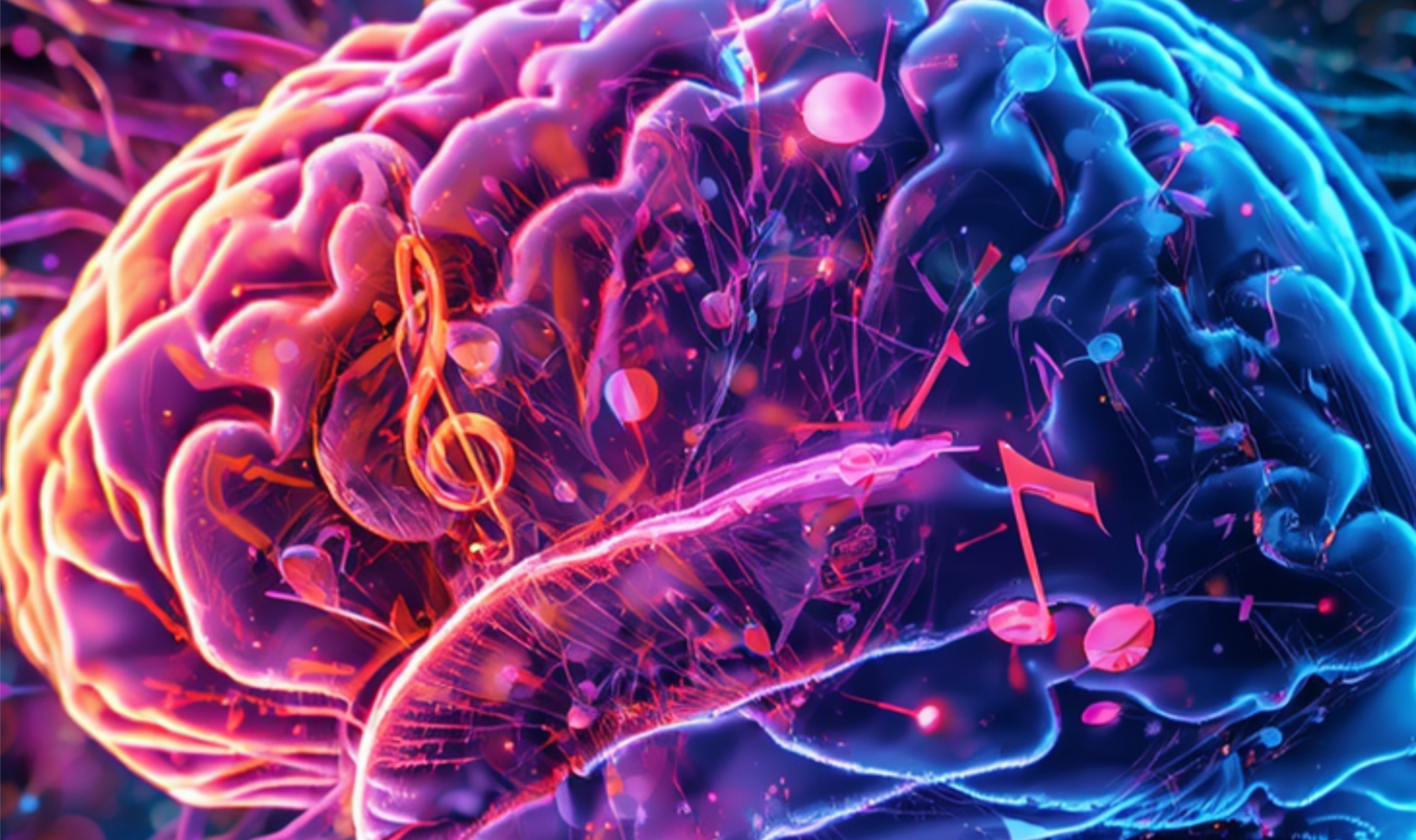
Neurologic Music Therapy® (NMT™) uses music to help people develop or regain important skills. It is based on research into how music affects the brain and uses 20 standardized techniques to support movement, walking, thinking, speech, language and emotional and social skills.
NMT™ is specially tailored to each person.
The techniques used are chosen based on their individual needs and goals, rather than their diagnosis alone.
Who can benefit?
Neurologic Music Therapy® may benefit children, young people and adults whose neurological, developmental or mental health needs affect everyday functioning.
NMT™ techniques can be considered when a person experiences difficulties with:
- attention, concentration or impulse control
- memory, sequencing or executive functioning
- speech, language or communication
- movement, coordination, balance or motor planning
- sensory processing and regulation
- social communication and participation
- emotional regulation and psychosocial functioning
- learning, independence and completing everyday routines
People who may benefit include those with autism, ADHD, developmental delay, cerebral palsy, acquired or traumatic brain injury, stroke, Parkinson’s disease, dementia and other neurological or neurodevelopmental conditions.
NMT™ may also be relevant for some people experiencing mental health or psychosocial difficulties.
How can it help?
Neurologic Music Therapy® uses structured musical experiences to support specific functional goals.
Depending on the individual’s assessed needs, NMT™ techniques may help to:
- improve attention, concentration and task engagement
- support memory, sequencing and organisation
- develop speech, language and communication skills
- improve timing, coordination, balance and movement
- support motor planning and purposeful use of the body
- strengthen executive skills such as initiation, inhibition and flexible thinking
- support emotional regulation and participation
- increase independence in everyday routines and activities
Music provides clear rhythmic, melodic and sensory cues that can help organise attention, movement and communication. These cues are used purposefully within treatment and are gradually adapted or reduced so that progress can transfer into everyday life.
NMT™ does not rely on musical ability.
Activities are selected according to the person’s goals, strengths and presentation.
When should I make a referral?
A referral can be considered when difficulties with movement, communication, thinking, managing emotions or everyday activities are affecting someone’s learning, independence or ability to take part in daily life.
It may be particularly helpful to get in touch when:
- a new difficulty or support need has been identified
- skills have been affected or lost following an illness or injury
- progress has slowed, even with other support in place
- music, rhythm or movement seems to help with engagement and learning
- difficulties are starting to affect education, relationships or everyday routines
- a neurological condition is making it harder to maintain existing skills
You don’t always need a formal diagnosis to make an enquiry.
What’s most important is understanding the person’s current difficulties, how these affect everyday life and what they would like to achieve.
After a referral, we’ll carry out an assessment to understand the person’s needs and goals.
We can then decide whether
Neurologic Music Therapy® (NMT™) could help and how it might work alongside any other therapy, education or support they are receiving.